A1 · Updated
Spanish stem-changing verbs: e-ie, o-ue, e-i
Some of the most common Spanish verbs change a vowel in the middle when the stress falls on it: quiero, puedo, pido. The change follows one rule, it skips nosotros and vosotros, and once you see the shape you stop learning them one by one.
手短な答え
In the present, the stressed vowel of the stem changes: e becomes ie (querer, quiero), o becomes ue (poder, puedo), e becomes i (pedir, pido). Nosotros and vosotros never change, because the stress moves to the ending: queremos, podéis.
覚え方
The boot: everyone changes except nosotros and vosotros
| e to ie | querer, pensar, empezar, preferir | Quiero un café |
|---|---|---|
| o to ue | poder, dormir, volver, costar | No puedo |
| e to i | only -ir verbs: pedir, repetir, servir | Pido la cuenta |
| u to ue | only jugar | Juego al fútbol |
| Nosotros, vosotros | no change | Podemos, queréis |
形
The three patterns in the present
| 人称 | querer (e-ie) | poder (o-ue) |
|---|---|---|
| yo | quiero | puedo |
| tú | quieres | puedes |
| él, ella, usted | quiere | puede |
| nosotros | queremos | podemos |
| vosotros | queréis | podéis |
| ellos, ustedes | quieren | pueden |
| pedir (e-i) | pido, pides, pide | pedimos, pedís, piden |
16 sentences that show the difference
実際に口にするような日常のスペイン語です。それぞれの下のラベルは、規則のどの部分を示しているかを表しています。
Quiero un café, por favor.
I would like a coffee, please.
e to ie
¿Puedes ayudarme?
Can you help me?
o to ue
Pido la cuenta.
お会計をお願いします。
e to i
¿Qué piensas?
What do you think?
Pensar
La película empieza a las nueve.
The film starts at nine.
Empezar
Duermo ocho horas.
I sleep eight hours.
Dormir
Vuelvo a casa a las siete.
I get home at seven.
Volver
¿Cuánto cuesta?
いくらですか?
Costar
Prefiero el té.
I prefer tea.
Preferir
Juegan al tenis los domingos.
They play tennis on Sundays.
Jugar, u to ue
No entiendo.
I do not understand.
Entender
¿Me lo repites?
Can you repeat that?
Repetir
Podemos ir mañana.
We can go tomorrow.
Nosotros, no change
¿Queréis algo de beber?
Do you want something to drink?
Vosotros, no change
Siempre pierdo las llaves.
I always lose my keys.
Perder
Llueve mucho en abril.
It rains a lot in April.
Llover
英語の知識がじゃまをするところ
English has nothing quite like this, because its irregular verbs change in the past, not the present: sing, sang. Spanish changes inside the present tense itself. The good news is that the endings stay completely regular: quier-o, quier-es. Only the vowel in the middle moves.
避けたい間違い
Quero, podo, and on the other side queremos turned into quieremos. The change belongs to the four stressed forms of the boot, never to nosotros and vosotros.
規則から外れるケース
Podemos
Nosotros and vosotros never change because the stress moves to the ending: po-DE-mos. The change only happens on a stressed syllable. Draw a line round the four that change and it looks like a boot.
Pedir, pido
The e to i change only exists in -ir verbs: pedir, servir, repetir, seguir, vestir. No -ar or -er verb has it.
Juego
Jugar is the only u to ue verb in Spanish. Always jugar a before a game: juego al fútbol.
Tengo, vengo
Tener and venir are stem-changing too, tienes, vienes, but their yo form is -go instead: tengo, not tieno.
Huelo
Oler adds an h because Spanish words do not start with ue: huelo, hueles, huele. Same with errar in Spain: yerro.
Comer, como
Not every verb with an e or o changes. Comer, beber, vivir, comprar never do, and the dictionary will not warn you. Learn the common changers as a list.
Stem-changing verbs exercises
空所を埋める8つの文です。答えを入力して確かめるか、答えを表示したまま通して読んでください。ここではアクセント記号も、言葉の中と同じように大切です。
-
¿Tú ___ venir al cine? (querer)
Do you want to come to the cinema?
quieres · e to ie in the stressed syllable.
-
Yo no ___ ir hoy. (poder)
I cannot go today.
puedo · o to ue.
-
Nosotros ___ salir a las ocho. (poder)
We can leave at eight.
podemos · Nosotros never changes: the stress is on the ending.
-
El camarero ___ la comida. (servir)
The waiter serves the food.
sirve · e to i, an -ir verb.
-
Mis hijos ___ al fútbol. (jugar)
My children play football.
juegan · Jugar, the only u to ue verb.
-
¿A qué hora ___ la clase? (empezar)
What time does the class start?
empieza · e to ie.
-
Vosotros ___ mucho. (dormir)
You sleep a lot.
dormís · Vosotros keeps the o.
-
¿Cuánto ___ estos zapatos? (costar)
How much are these shoes?
cuestan · o to ue, plural because the shoes are the subject.
ドン・キホーテから、さらに練習問題
さらに8問。こちらは講座からそのまま取ったもので、宿屋、風車、ロシナンテ、そして道が出てきます。規則は同じで、スペイン語が少し古いだけです。
-
Don Quijote ___ ser caballero. (querer)
Don Quixote wants to be a knight.
quiere · e to ie.
-
Sancho no ___ dormir en el suelo. (poder)
Sancho cannot sleep on the ground.
puede · o to ue.
-
Don Quijote ___ en Dulcinea día y noche. (pensar)
Don Quixote thinks about Dulcinea day and night.
piensa · e to ie, and pensar en for thinking about.
-
Sancho ___ más comida. (pedir)
Sancho asks for more food.
pide · e to i.
-
Los dos ___ a casa muy cansados. (volver)
The two of them come home very tired.
vuelven · o to ue.
-
Nosotros ___ seguir el camino. (querer)
We want to follow the road.
queremos · Nosotros, no change.
-
La aventura ___ en la venta. (empezar)
The adventure starts at the inn.
empieza · e to ie.
-
Sancho ___ en el camino como un tronco. (dormir)
Sancho sleeps on the road like a log.
duerme · o to ue.
よくある質問
語幹母音変化動詞とは何ですか?
A verb whose stem vowel changes in some forms of the present: querer, quiero, poder, puedo. The endings stay regular.
Why is it called the boot verb?
Write the six forms in two columns. The four that change, yo, tú, él and ellos, form the shape of a boot. Nosotros and vosotros stay outside it.
How do I know if a verb changes its stem?
You cannot tell from the infinitive: pensar changes, pasar does not. Good dictionaries mark it, often as pensar (ie). The twenty or so common ones are worth learning as a list.
Do stem-changing verbs change in the preterite?
-ar and -er verbs do not: pensé, pudo is irregular for other reasons. -ir verbs change in the third person: pidió, durmió.
Which verbs change e to i?
Only -ir verbs: pedir, servir, repetir, seguir, vestir, medir, reír. Decir also follows it, dice, with an irregular yo form, digo.
Is jugar a stem-changing verb?
Yes, and the only one with u to ue: juego, juegas, juega, jugamos, jugáis, juegan.
Do stem changes appear in the subjunctive?
Yes, in the same four persons: quiera, pueda. -ir verbs also change in nosotros and vosotros: durmamos, pidáis.
What are the most common stem-changing verbs?
e to ie: querer, pensar, empezar, entender, preferir, cerrar. o to ue: poder, volver, dormir, costar, encontrar, recordar. e to i: pedir, servir, repetir, seguir.
覚えておくこと
- e becomes ie, o becomes ue, e becomes i in some -ir verbs.
- The change happens only where the stress falls on the stem.
- Nosotros and vosotros never change.
- Jugar is the only u to ue verb.
- Not all verbs change: comer and vivir do not. Learn the common changers.
例文の出典の本
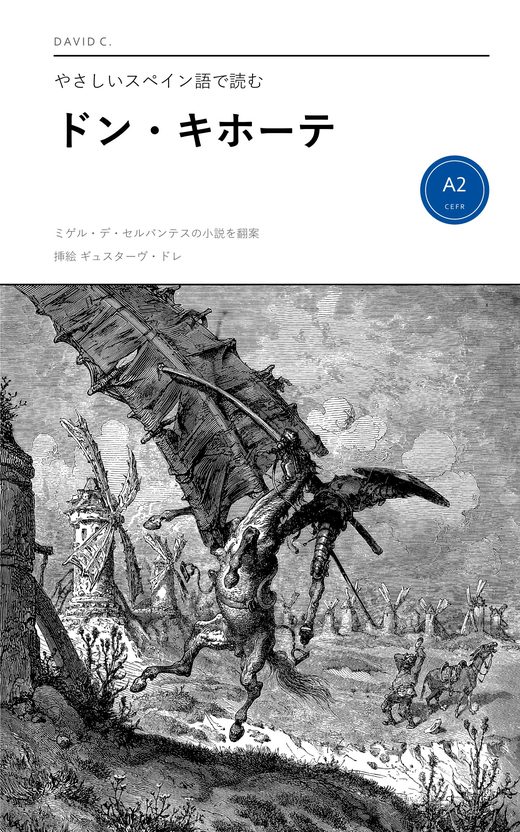
やさしいスペイン語で読むドン・キホーテ:小説全体を、本当に読めるスペイン語で語り直し、58の短いエピソードに分けて、難しい単語には余白に注をつけました。このページのドン・キホーテの文はすべてこの本から取っています。
EPUB と PDF でオーディオブックつき、さらに同じスペイン語で書いたもう1冊の小説もあります。本を見る。
講座でこれを学ぶところ
2つのレッスンで段階的に学びます。抽象的にではなく、物語の章の中で学びます。単語、音声、練習問題つきで、無料で読めます。
- GUSTAR と代名詞 me / te / le第13課鎧の不寝番の夜
- Mi, tu, su, nuestro第6課ボール紙の兜
近いテーマ
このテーマにいちばん近く、ふつう同じ時期に出会うポイントです。