C1 · Part One, Chapter 4
Cada uno es hijo de sus obras: the boy tied to the oak
Don Quixote rescues a boy from a flogging, and answers the objection that the farmer is no knight with a proverb every Spaniard still knows: cada uno es hijo de sus obras. The boy turns the proverb against his master in one line. This unit is about vos and its verbs, and about a promise that is worth nothing.
The passage, exactly as Cervantes wrote it
Miguel de Cervantes, Part One, Chapter 4. Unadapted.
Importa eso poco —respondió don Quijote—, que Haldudos puede haber caballeros; cuanto más, que cada uno es hijo de sus obras. — Así es verdad —dijo Andrés—; pero este mi amo, ¿de qué obras es hijo, pues me niega mi soldada y mi sudor y trabajo? — No niego, hermano Andrés —respondió el labrador—; y hacedme placer de veniros conmigo, que yo juro por todas las órdenes que de caballerías hay en el mundo de pagaros, como tengo dicho, un real sobre otro, y aun sahumados. — Del sahumerio os hago gracia —dijo don Quijote—; dádselos en reales, que con eso me contento
That matters little, replied don Quixote, for there can be knights among the Haldudos, and what is more, every man is the son of his own deeds. That is true, said Andrés, but this master of mine, whose deeds is he the son of, when he denies me my wages and my sweat and my work? I do not deny it, brother Andrés, replied the farmer. Do me the kindness of coming with me, for I swear by all the orders of chivalry there are in the world to pay you, as I have said, one real on top of another, and perfumed into the bargain. I let you off the perfume, said don Quixote. Give them to him in reals, and I will be satisfied with that
The same thing in Spanish as it is written today
Read the two side by side. What has changed between them is the syllabus of this level.
Eso importa poco, respondió don Quijote, que entre los Haldudos puede haber caballeros, y más aún, cada uno es hijo de sus obras. Así es, dijo Andrés, pero este amo mío, ¿de qué obras es hijo, si me niega mi sueldo, mi sudor y mi trabajo? No te lo niego, Andrés, hermano, respondió el labrador. Hazme el favor de venirte conmigo, que te juro por todas las órdenes de caballería que hay en el mundo que te pagaré, como ya he dicho, real sobre real, y hasta perfumados. Del perfume te libro, dijo don Quijote. Dáselos en reales, que con eso me conformo
What changed, form by form
| In the text | Today | Why it matters |
|---|---|---|
| Haldudos puede haber caballeros | entre los Haldudos puede haber caballeros | No preposition. The plural surname stands for a whole family, or for anybody called that. |
| cuanto más, que | y además | Cuanto más used to add a stronger argument. |
| cada uno es hijo de sus obras | lo mismo hoy | A proverb still in use. You are what you do, not who your father was. |
| este mi amo | este amo mío | Demonstrative and possessive together in front of the noun. Normal then, impossible now. |
| soldada | sueldo, paga | A servant's wages. Soldada and sueldo come from the same coin. |
| hacedme placer de | hazme el favor de | Hacer placer, to do a kindness. And vos with its plural imperative, from master to servant. |
| como tengo dicho | como ya he dicho | Tener plus participle as a perfect. Still alive in te tengo dicho que no, said to children. |
| un real sobre otro | real sobre real | Coin on top of coin, paid in full and counted out. |
| sahumados | perfumados | Coins passed through incense smoke, a flourish of generosity. |
| os hago gracia | te libro de | Hacer gracia de algo, to let someone off it. |
The syntax
Watch the forms of address. Don Quixote speaks to the farmer as vos, and the farmer, who is a farmer and not a knight, speaks to his servant as vos too, with hacedme, veniros and pagaros. Nobody in the exchange says tú. The whole scene is about who owes what to whom, and the pronouns keep track of it: the farmer's vos to the boy is the courtesy of a man who is about to cheat him.
What a Spanish reader hears
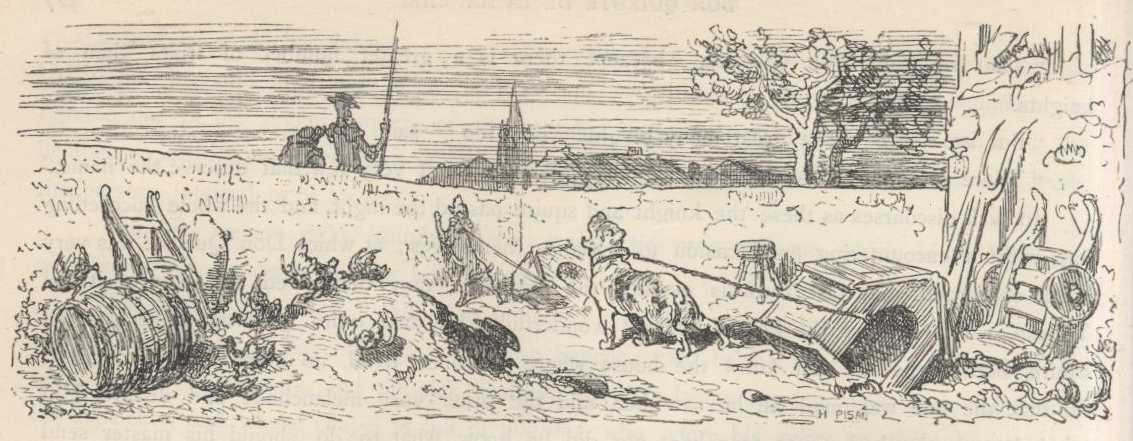
Cada uno es hijo de sus obras is a radical sentence for 1605, in a society obsessed with lineage and clean blood, and don Quixote says it in passing to justify treating a farmer as a knight. Andrés sees at once what it means for his master: if you are what you do, a man who does not pay his servant is nothing. Then the farmer swears by the orders of chivalry, which he has never heard of, and don Quixote believes him and rides off. As soon as he is out of sight, the boy is tied back to the tree.
Where the course prepares you for this
- The preterite: regular verbsLesson 15The boy tied to the oak tree